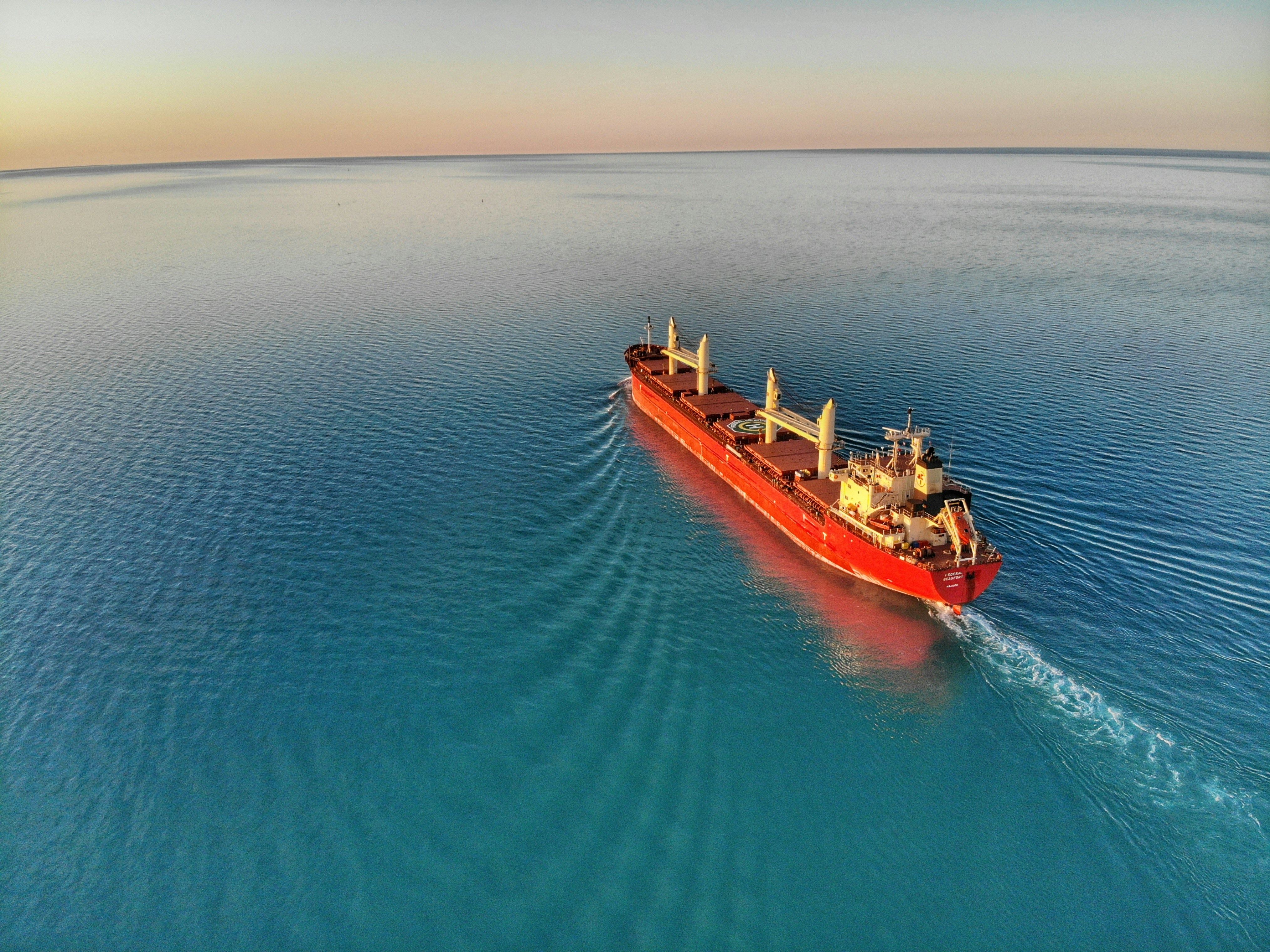
Since 2022, Europe has changed gas suppliers without really changing its dependence. The Russian pipeline has given way to the American LNG carrier, and this shift is deeply reshaping the geopolitics of energy on the continent.
A dramatic shift in just a few years
In 2019, Russian gas covered nearly half of Europe’s gas supply, and LNG a little under a quarter. Today, those proportions have almost reversed: the Russian share has fallen to a few percentage points, while LNG now accounts for nearly half of the gas consumed in the EU. In the space of three years, the European Union has become the world’s largest LNG importer, ahead of China and Japan, historically the biggest buyers.
But this shift comes at a price: a new form of dependence, this time on the United States. US exports to Europe have almost tripled since 2021, and projections see Europe relying on American cargoes for two thirds of its LNG imports as early as this year, on a path towards 80% by 2028. The reasoning behind the exit from Russian gas, diversify to secure supply, runs into a more complex reality: replacing a single supplier with another dominant supplier does not remove concentration risk, it moves it.
Three basins, two customers
Global LNG trade is organised around three main production regions. The Atlantic basin, led by the United States, mainly supplies Europe. The Pacific basin (Australia, Southeast Asia) and the Middle East basin (Qatar first and foremost) mostly supply Asia. This geography explains why Europe and Asia effectively compete for the same cargoes whenever one of the basins comes under strain: an outage at a US plant, a spike in Chinese demand, or a crisis in the Gulf is enough to move prices on both sides of the globe at the same time.
The global market also keeps widening: new exporters such as Canada and Mauritania delivered their first cargoes in 2025, and global supply should grow significantly again this year, driven by new capacity in the United States, Qatar and Australia.
What this changes in practice
The European gas price was already partly connected to the global market before 2022, but that connection has tightened considerably as LNG has grown. A cold snap in Asia, an incident at a US liquefaction terminal, or tension in a strategic strait now feeds through faster and harder into the TTF than when the Russian pipeline dominated supply. This is exactly what happened recently with the tensions around the Strait of Hormuz, a route Qatar (only about 7% of European imports) uses to export, and whose blockage pushed global prices up far beyond Europe’s direct exposure to that particular route.
What next?
In the meantime, if you want to go back to the basics (LNG terminals, storage, the role of gas in the power mix), episode 4 of the podcast sets the scene (in French):
 EP 4
EP 4
Natural gas and LNG: origins, flows and infrastructure
Where the gas used in France comes from, and the role of LNG, storage and biomethane.
Episode 4 · Listen on
Natural gas and LNG: origins, flows and infrastructure
Sources: ACER annual report on the LNG market (May 2026); GIIGNL, Annual Report 2026; IEEFA, analysis of European dependence on US LNG; Le Grand Continent, on gas flows to Europe.